Qualified Architectural Design Firm Services: Tailored Answers for Residential and Enterprise Projects
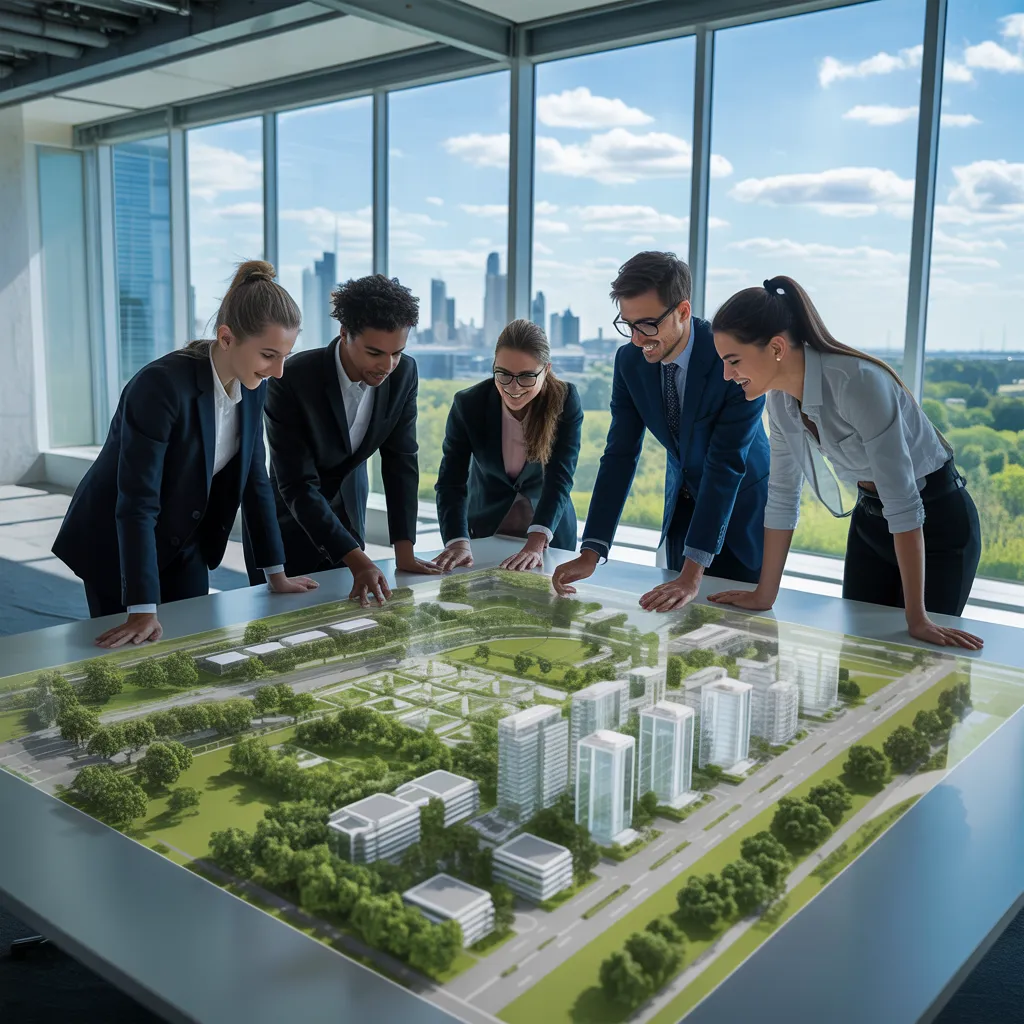
Accomplished design firms constitute a key element in constructing both domestic and trade environments. They combine creativity with precision engineering to deliver personalized solutions. Through in-depth consultations and site analyses, these firms guarantee that every initiative aligns with client visions and industry standards. As the appetite for sustainable and creative designs grows, understanding what these firms bring to the table turns essential. This exploration demonstrates how these resources can substantially enhance project outcomes.
What Proficient Design Practices Contribute to Your Endeavor
Distinguished design firms improve projects by combining creativity with technical expertise. They provide a wealth of knowledge in design principles and building processes, ensuring that each project is not only aesthetically pleasing but also structurally sound. Their unified approach fosters communication among stakeholders, enabling for a seamless integration of ideas and requirements.
In addition, skilled firms implement sophisticated technology, such as Building Information Modeling (BIM), to formulate thorough visualizations and simulations, strengthening decision-making processes. Their familiarity with local regulations and zoning laws guarantees legal adherence, limiting delays and complications.
In addition, they offer sustainable design solutions that enhance energy efficiency and environmental responsibility. By adjusting their programs to the unique circumstances of each client, seasoned architectural experts create innovative solutions that enhance user experience and quality of habitation. Ultimately, their advanced proficiency transforms visions into reality, resulting in spaces that are both practical and inspiring.
Essential Solutions for Your Residential Architecture Initiative
In residential architecture, a variety of offerings is crucial to guarantee a thriving project from inception to finish. Initial consultations help clients express their concept and requirements, allowing architects to develop a thorough design brief. Property evaluation comes next, assessing factors such as topography, zoning regulations, and environmental considerations.
Following that, planners develop initial drafts that define the project’s layout and aesthetics. This phase frequently involves 3D modeling, offering clients a detailed image of the completed product. After designs receive approval, detailed construction documents are created, making sure contractors possess all essential information.
In addition, construction management solutions facilitate clear communication between clients and construction teams, tackling any issues that emerge during the construction process. Compliance with building codes and local regulations is also monitored throughout the project. These essential services collectively ensure that residential architecture initiatives fulfill client expectations while adhering to legal and safety guidelines.
Bespoke Services for Commercial Architecture
While the demands of commercial spaces can differ significantly, tailored architectural approaches are important for enhancing visual appeal and performance. Experienced design companies recognize the value of grasping each client's specific needs, whether for retail, office, or multifunctional properties. By performing detailed evaluations, they can design spaces that improve operational efficiency while reflecting corporate character.
Additionally, personalized solutions factor in the exact zoning regulations and site conditions, ensuring compliance and enhancing the use of available land. Architects implement advanced design approaches to establish adaptable environments that facilitate future growth and shifting business needs.
Collaboration with partners, including contractors and interior designers, further improves the design process, resulting in harmonious and effective spaces. Ultimately, these custom architectural solutions not only elevate the user experience but also contribute to the long-term success of the commercial venture, establishing a strong foundation for future endeavors.
The Way Green practices Boosts Architectural Design
Sustainability represents an essential component in contemporary architectural planning by promoting the use of environmentally conscious materials and establishing energy efficiency strategies. Architects progressively champion methods that diminish environmental impact while refining the visual and functional characteristics of their buildings. This dedication to sustainability serves the planet while also enhancing value to the constructed environment.
Eco-Friendly Materials Utilization
As design professionals increasingly highlight environmental responsibility, the integration of green materials becomes a pivotal aspect of modern design. Employing sustainable resources, such as reclaimed wood, bamboo, and recycled metals, not only reduces environmental impact but also enhances visual attractiveness. These materials often feature distinctive qualities and properties, enabling for creative architectural approaches that differentiate projects. Moreover, sustainable materials advance superior indoor environments by decreasing toxic fumes and boosting enhanced air purity. Architects who adopt these green alternatives reveal a dedication to both practical utility and a lower ecological burden. By choosing materials sourced responsibly and designed with environmental care, architectural firms can design spaces that reflect contemporary values while confronting the pressing challenges of climate change.
Energy Conservation Strategies
Adopting energy efficiency plans recasts architectural design into a well-balanced combination of functionality and sustainability. By weaving in state-of-the-art insulation, performance windows, and renewable energy sources, architects can substantially cut a building's emissions profile. These approaches not only diminish energy consumption but also enhance occupant contentment and wellness.
Natural ventilation, solar passive design, and green roofs further contribute to sustainability, facilitating structures to maintain ideal indoor conditions while curtailing reliance power-driven systems. Additionally, intelligent technologies enhance power efficiency utilizing real-time monitoring and control. In this way, energy efficiency stands as a vital principle of modern architecture, catalyzing innovation and responsible design practices in both commercial and residential undertakings, eventually cultivating a more eco-conscious constructed setting.
What to Search for When Selecting an Architecture Firm?
When evaluating an architectural practice, prospective customers must prioritize the company's track record and expertise to guarantee alignment with their design goals. Additionally, effective communication and collaboration are essential for a successful partnership. Assessing these elements can assist clients in making a informed decision regarding their architectural needs.
Portfolio and Experience
Reviewing the work samples and history of an architecture firm is important for making an educated decision. A carefully curated portfolio reflects the firm's creative flair, creativity, and breadth across diverse assignments. Prospective clients should identify examples that fit their vision, whether residential or commercial. Practice in similar projects is equally critical; firms with a proven history in comparable projects are more likely to grasp specific challenges and regulations. Moreover, assessing completed projects can provide insight into the firm's ability to handle timelines and budgets. Client testimonials and case studies additionally strengthen understanding of the firm’s problem-solving skills and adaptability. Ultimately, a firm’s portfolio and experience function as signals of their capability to deliver successful outcomes.
Interaction and Collaboration
Effective interaction and coordination are fundamental parts in the selection of an architecture firm, as they directly influence project success. A firm’s ability to attend to client needs and communicate design concepts clearly is crucial. Prospective clients should judge how firms facilitate dialogue, guaranteeing an open exchange of ideas throughout the project lifecycle. Regular updates and responsiveness to inquiries can improve teamwork, fostering a productive environment. Additionally, the use of collaborative tools and technology can streamline processes, making it easier for clients to visualize designs and provide feedback. more information Ultimately, a strong partnership built on trust and transparency will lead to innovative solutions and a more satisfying project outcome, making these factors vital in the decision-making process.
Technology's Role in Enhancing Your Architectural Projects
As design practices matures, technology plays a vital part in shaping innovative solutions. Powerful software platforms, such as Building Information Modeling (BIM), authorize architects to formulate meticulous 3D models of structures, facilitating for heightened visualization and efficient project management. This technology facilitates real-time engagement among stakeholders, verifying that design iterations can be quickly carried out and examined.
Additionally, artificial intelligence (AI) assists in improving design layouts and energy efficiency, offering data-driven insights that guide decision-making. Virtual reality (VR) and augmented reality (AR) deliver engaging simulations, enabling clients to virtually walk through designs before construction begins. This not only enhances client engagement but also strengthens accuracy in meeting expectations.
Furthermore, green tech solutions are essential to modern design, blending in eco-friendly materials and energy-efficient systems. Overall, adding technological elements into architectural design generates optimized procedures, enhanced coordination, and ultimately, better deliverables for both residential and commercial projects.
How to Work Together Effectively With Your Architect?
The relationship between clients and architects significantly determines the achievement of a project. Successful partnership relies on transparent interaction from the start. Clients should communicate their vision, budget, and timeline, enabling architects to align their designs appropriately. Regular meetings encourage openness, allowing both parties to resolve issues and adjust plans as needed.
Furthermore, clients should stay open to expert insights. Architects bring invaluable experience and creativity, which can improve the project past initial expectations. Utilizing teamwork platforms, such as joint design applications, can streamline feedback and revisions, making the process more efficient.
Trust is additionally essential; clients should feel confident in their architect's decisions while enabling room for innovation. By instituting a cooperative context, both clients and architects can work towards a unified goal, verifying that the final structure not only meets functional requirements but also personifies the desired character. This synergy ultimately leads to successful outcomes in both residential and commercial projects.
Often Asked Questions
What Timeframe Should You Expect for Common Professional Architecture?
The standard schedule for design services extends across multiple months up to twelve months. This duration includes components like conceptual design, expansion, paperwork, and development, each differing based on project complexity and client requirements.
How Do Architecture Firms Manage Zoning and Permit Issues?
Architecture firms typically perform comprehensive investigation into local zoning laws and regulations. They often coordinate with municipal authorities, compile required documentation, and file permits to ensure adherence and enable seamless project progression.
How Much Do Charges Factor into Hiring an Architecture Firm?
Costs related to hiring an architectural practice vary widely, generally ranging from hourly rates to fixed fees based on project scope and difficulty. Extra costs may encompass licensing requirements, materials, and consultations, affecting the overall budget substantially.
Is it possible to make changes to the appearance once approved?
Yes, modifications can be made after design approval, but they may result in extra expenses and delays. The extent of modifications depends on the stage of the project and the specific terms outlined in the contract with the architectural firm.
In What Ways Do Architecture Firms Safeguard Client Discretion?
Architecture firms ensure client privacy through rigorous data protection protocols, employee training, and non-disclosure agreements. They implement secure communication channels and restrict access to sensitive information, focusing on the privacy and trust of their clients.